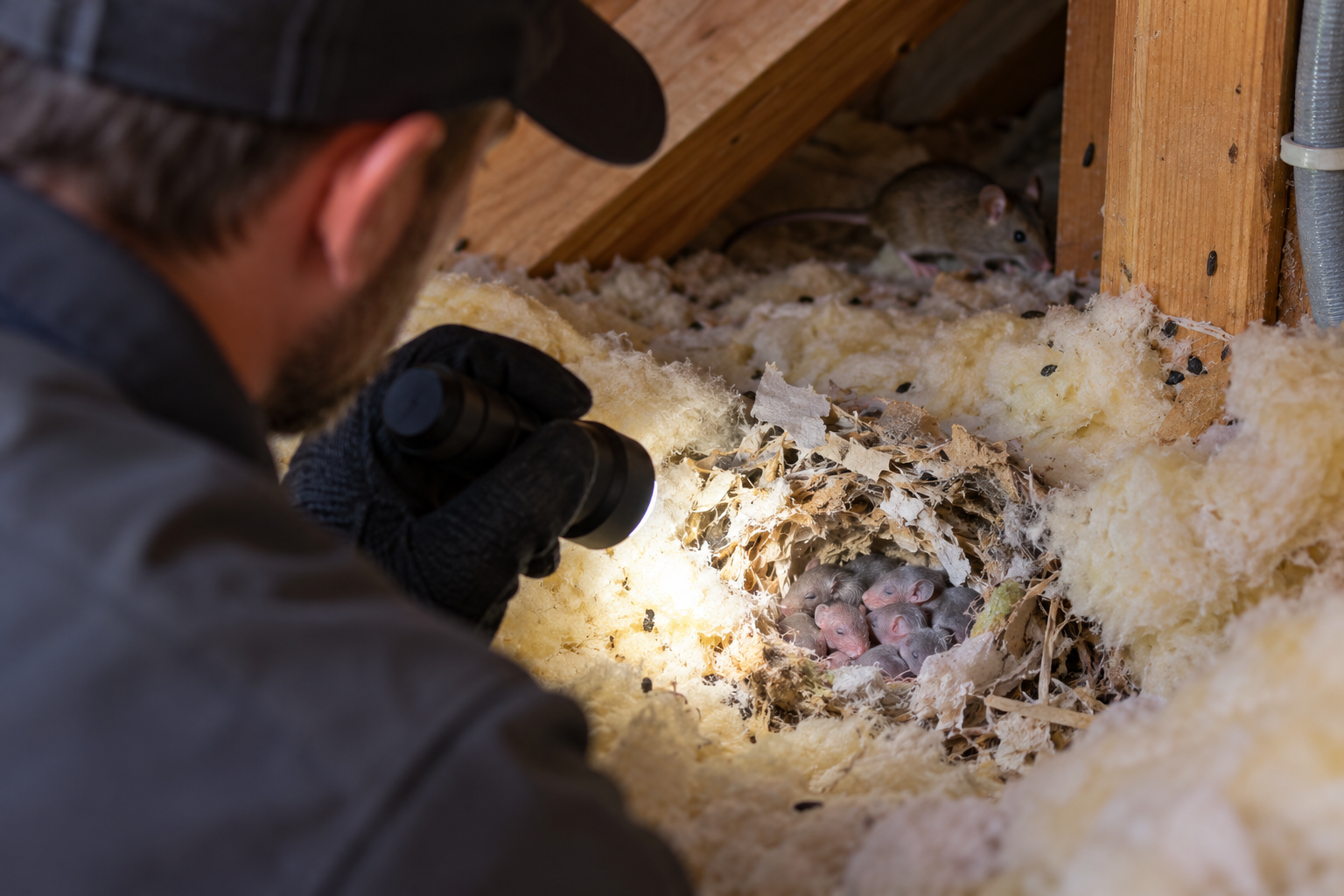
Finding infant mice inside your home is more than an unpleasant surprise—it is evidence that mice are actively breeding inside the structure. Learn what that discovery means, why scary mouse-multiplication claims can be misleading, and how professional trapping and exclusion address the real problem.
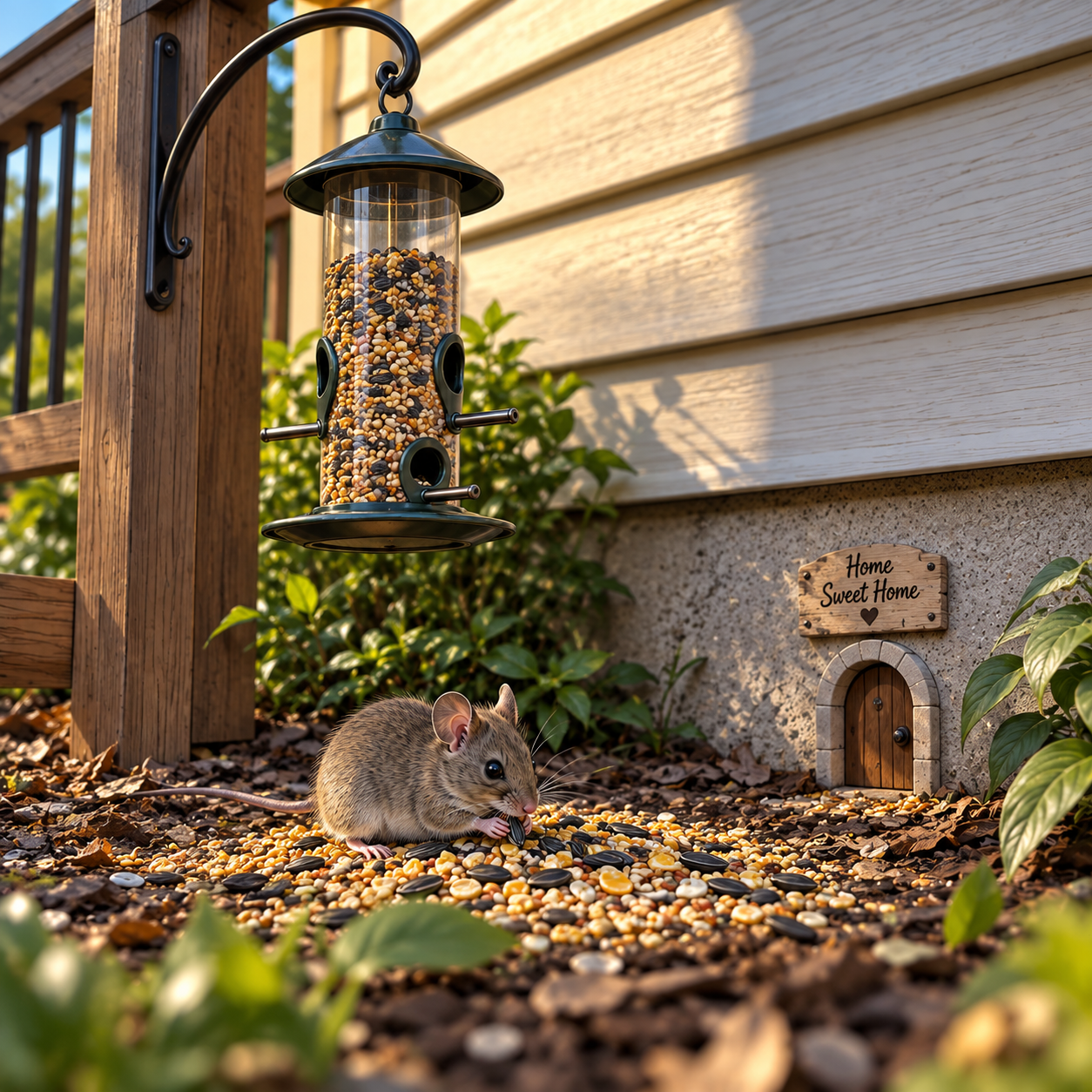
Read MoreBird seed doesn't just attract birds. Spilled seed can attract mice and other small wildlife, which may then attract snakes and larger predators. Learn why moving your bird feeder 25–30 feet from your home creates an important wildlife buffer.
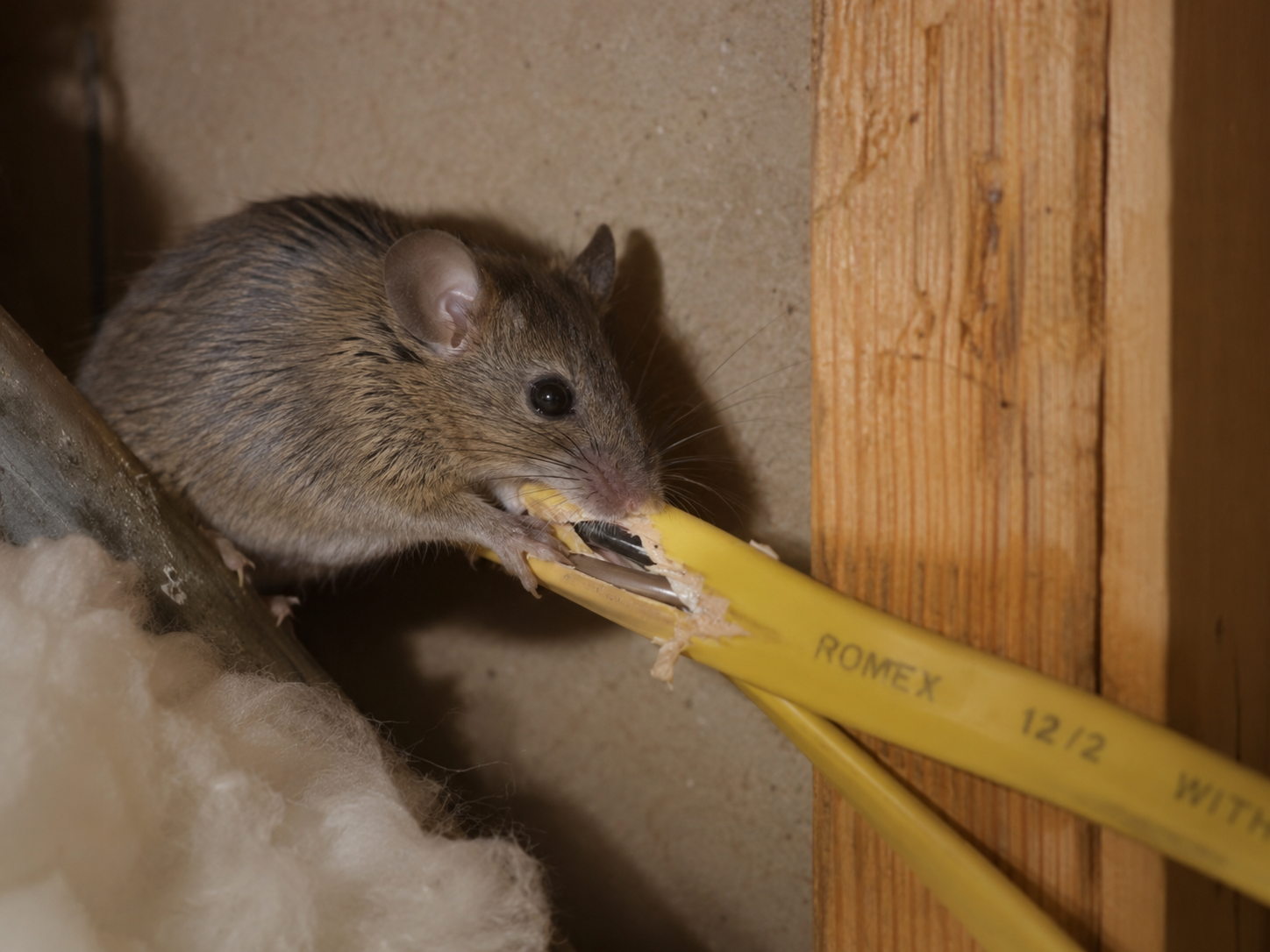
Read MoreMice and squirrels don't just make noise inside walls and attics. Their natural gnawing behavior can damage electrical wire insulation, creating expensive repairs and potential electrical hazards. Learn why rodents chew wiring, what the research says about soy-based coatings, and the warning signs homeowners shouldn't ignore.
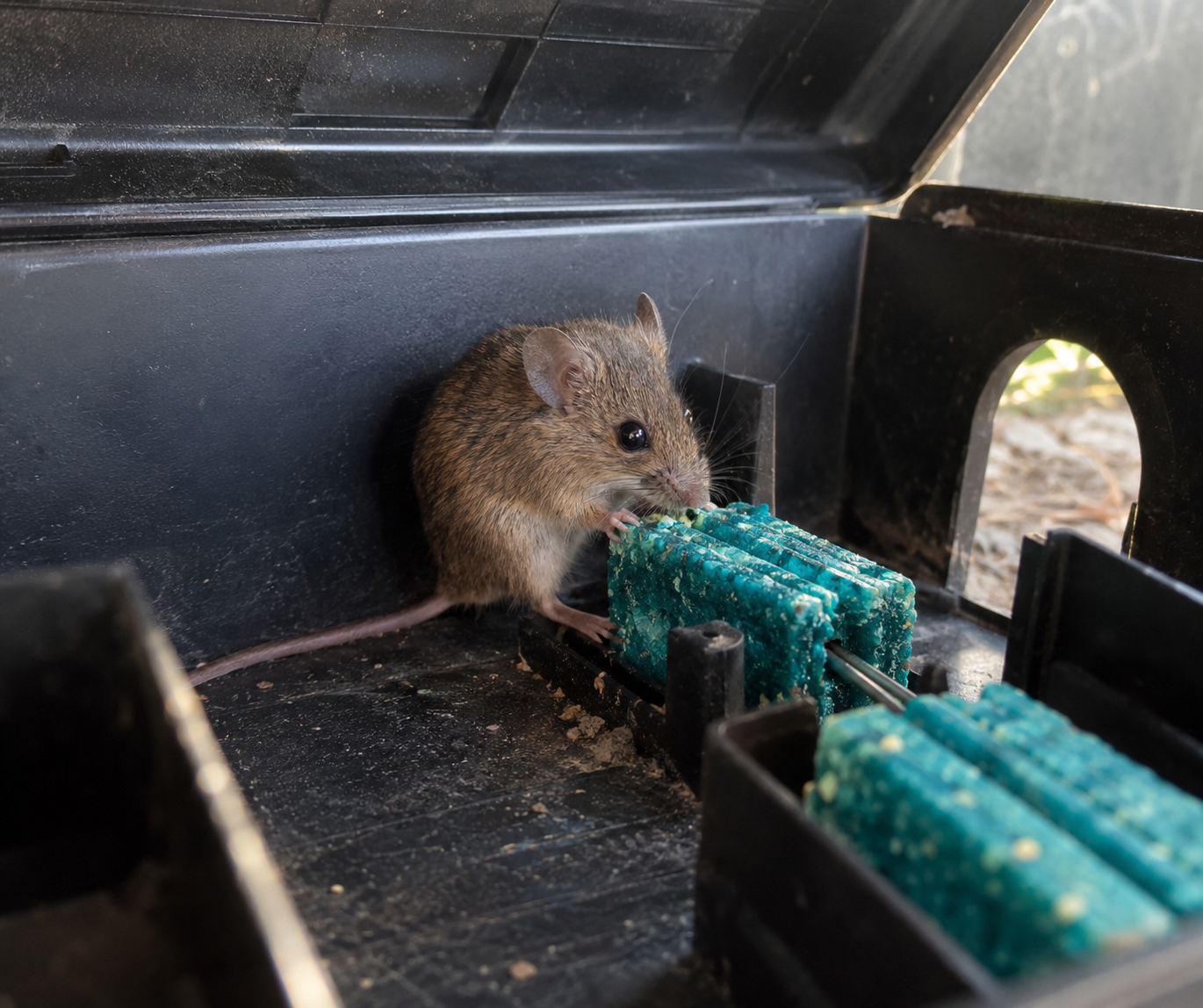
Read MoreMouse poison may seem like a simple solution, but what happens after a rodent consumes it? Learn about second-generation anticoagulant rodenticides, the risks of secondary poisoning to pets and wildlife, and why Huntsman Wildlife's Rodent Guard program uses physical trapping and exclusion instead of rodenticides.
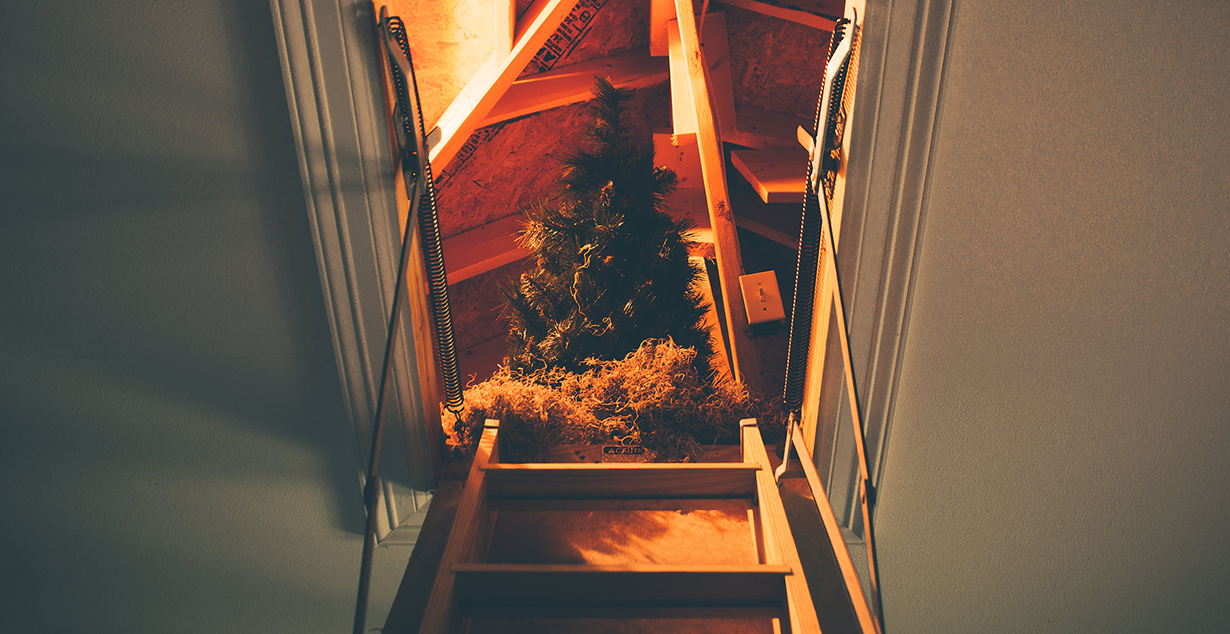
Read MoreAs you unpack your holiday décor, watch for the hidden signs of rodent activity. Here’s what Cincinnati homeowners should look for before the season starts.
Read More