
Striped Skunk (Mephitis mephitis)
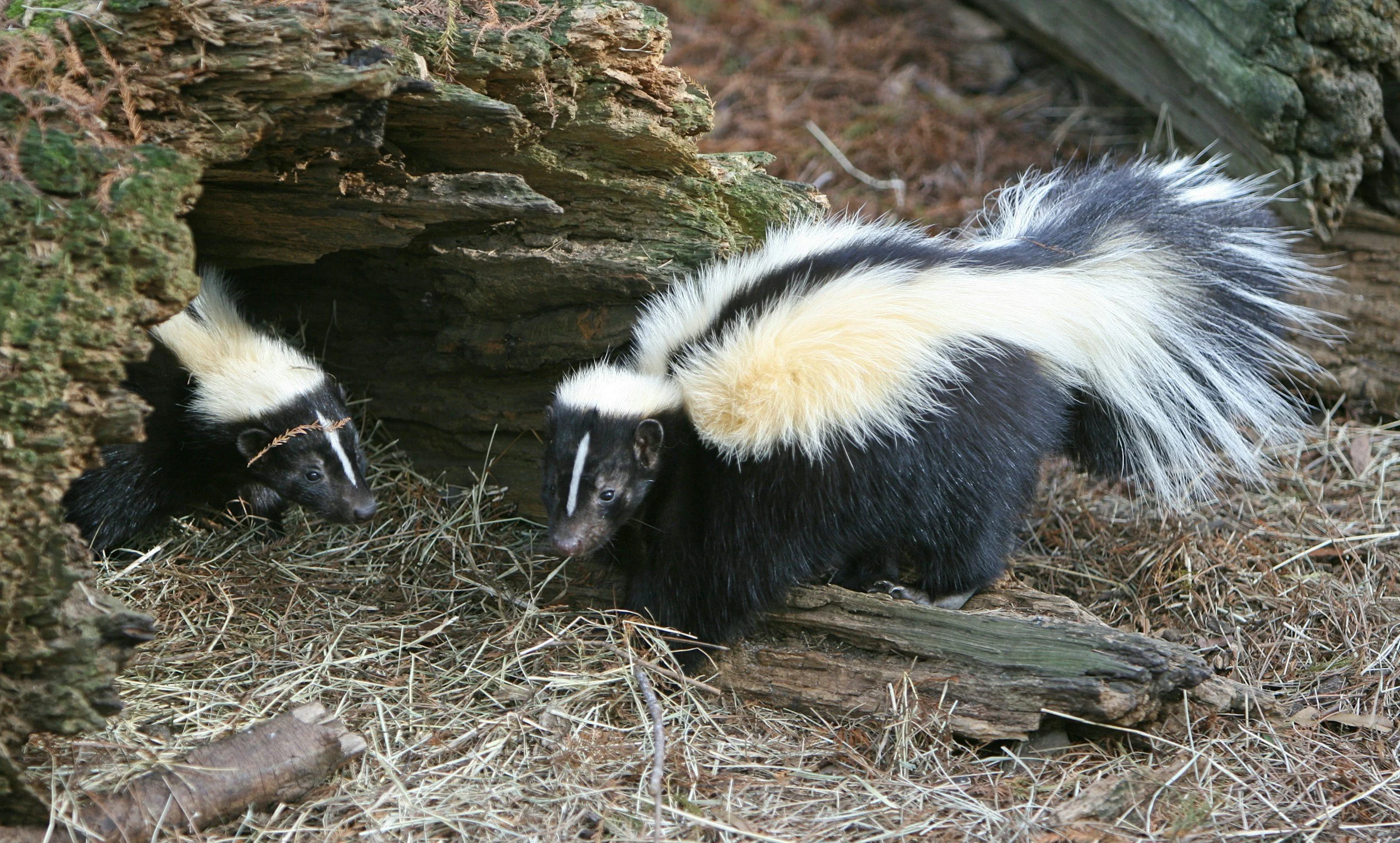
Common Access Areas
- Under decks, patios, and porches
- Hillsides and retaining walls
- Under sheds, barns, and outbuildings
- Under driveways and sidewalks
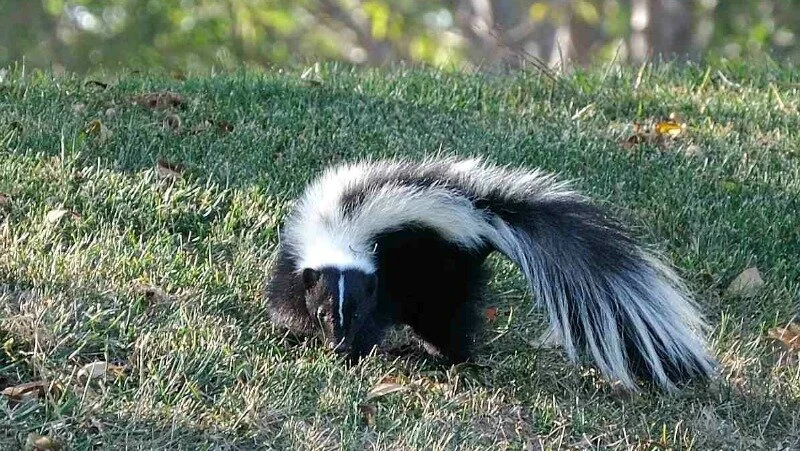
Health Risks
- Leptospirosis: This bacterial infection is spread through skunk urine, contaminating soil and water.
- Rabies: Skunks are one of the primary vectors for rabies. The virus is transmitted via bites or direct contact with saliva.
- Skunk Spray (Chemical Irritant): While rarely fatal to humans, skunk spray contains sulfur compounds (thiols) that can cause intense physical discomfort.
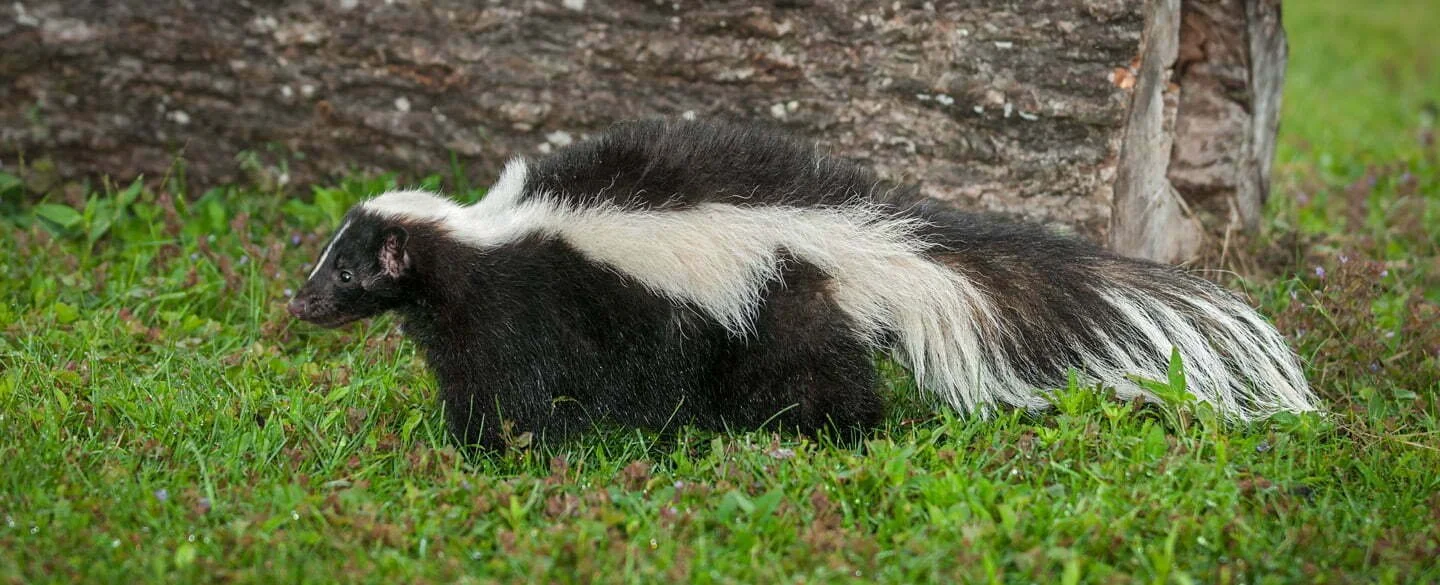
Damage Risks
- Weakening of foundations of smaller structures
- Damage to paver and block patios/sidewalks
- Collapse of retaining walls
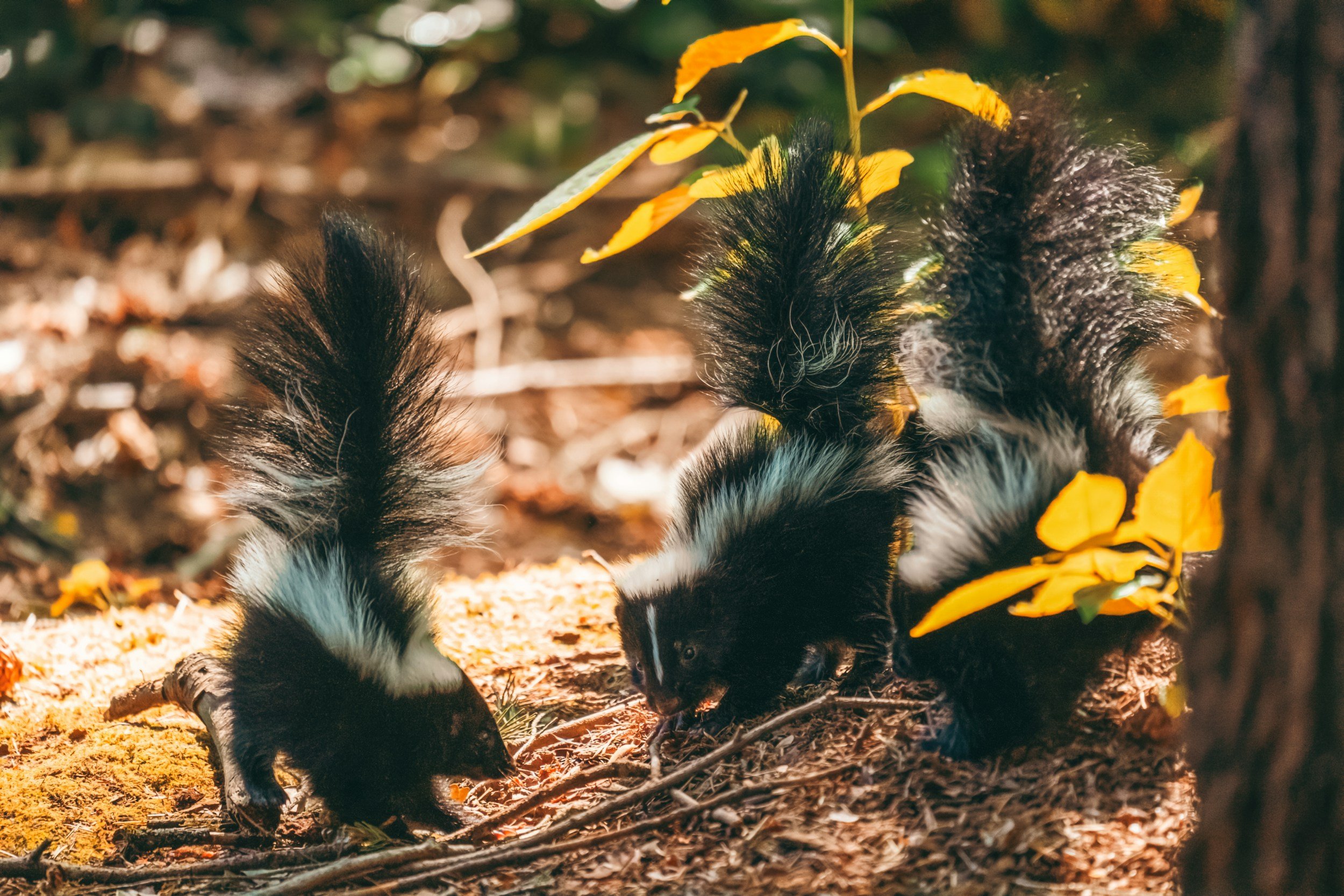
Skunk Control
Late winter/early spring is the best time for trapping skunks. The skunks alive in early spring are the adults that will produce the next generation later in the spring. Catching one in March could mean eliminating five in June. Early trapping also has tactical advantages, because the landscape is barren.